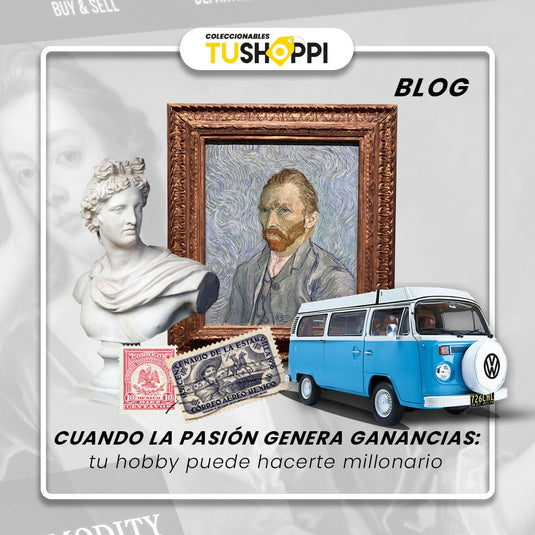
Collecting, traditionally viewed as a passion or hobby, has emerged in recent decades as a viable form of investment.
From art and stamps to wine and watches, many objects have proven to have significant appreciation potential over time.
However, like any investment, financially focused collecting requires strategy, research, and, above all, patience.
Below, we offer some tips for collectors seeking a financial return on their acquisitions.
1. Research is essential:
Before diving into any type of collecting, take the time to do your research. Which objects have a history of appreciation? What are the current market trends? Which pieces are rare or in demand?
2. Authenticity and provenance:
Make sure the objects you purchase are authentic. Provenance, or an object's ownership history, can also influence its value. Objects with an interesting history or belonging to famous people often have additional value.
3. Conservation:
The condition of an object is crucial to its value. Learn how to store and care for your collectibles to keep them in the best possible condition. This may include controlling humidity, avoiding direct sunlight, or, in the case of fragile items, considering specialized insurance.
4. Diversify your collection:
As with stocks, you don't want to put all your eggs in one basket. Diversifying your holdings can help you mitigate risks and take advantage of different market opportunities.
5. Set a budget:
It's easy to get carried away and spend more than planned. Set a budget for your purchases and stick to it. Remember that, like any investment, there's no guarantee of return.
6. Connect with experts and other collectors:
Join clubs, attend trade shows and auctions, and build relationships with experts in the field. They can offer valuable advice, alert you to opportunities, and help you avoid potential scams.
7. Consider additional costs:
In addition to the purchase price, consider other costs such as insurance, storage, restoration, and, in the event of a sale, commissions.
8. Patience and passion:
Collecting as an investment is not for those seeking immediate gratification. It can take years, even decades, before an object appreciates significantly in value. It's essential that, in addition to the financial aspect, you have a true passion for what you collect.
9. Stay informed:
The collectibles market is dynamic and constantly changing. Stay informed about current trends, important auctions, and news relevant to your collecting niche.
10. Plan your exit:
While you may not have immediate intentions to sell, it's helpful to have an exit strategy. Where and how will you sell your pieces? When is the best time? Having a plan will help you maximize your returns when you decide to liquidate.
Collecting with an investment focus can be rewarding both personally and financially.
However, it requires dedication, research, and a clear strategy. By following these tips, you'll be better prepared to navigate the world of collecting and, hopefully, see a significant return on your investment.